
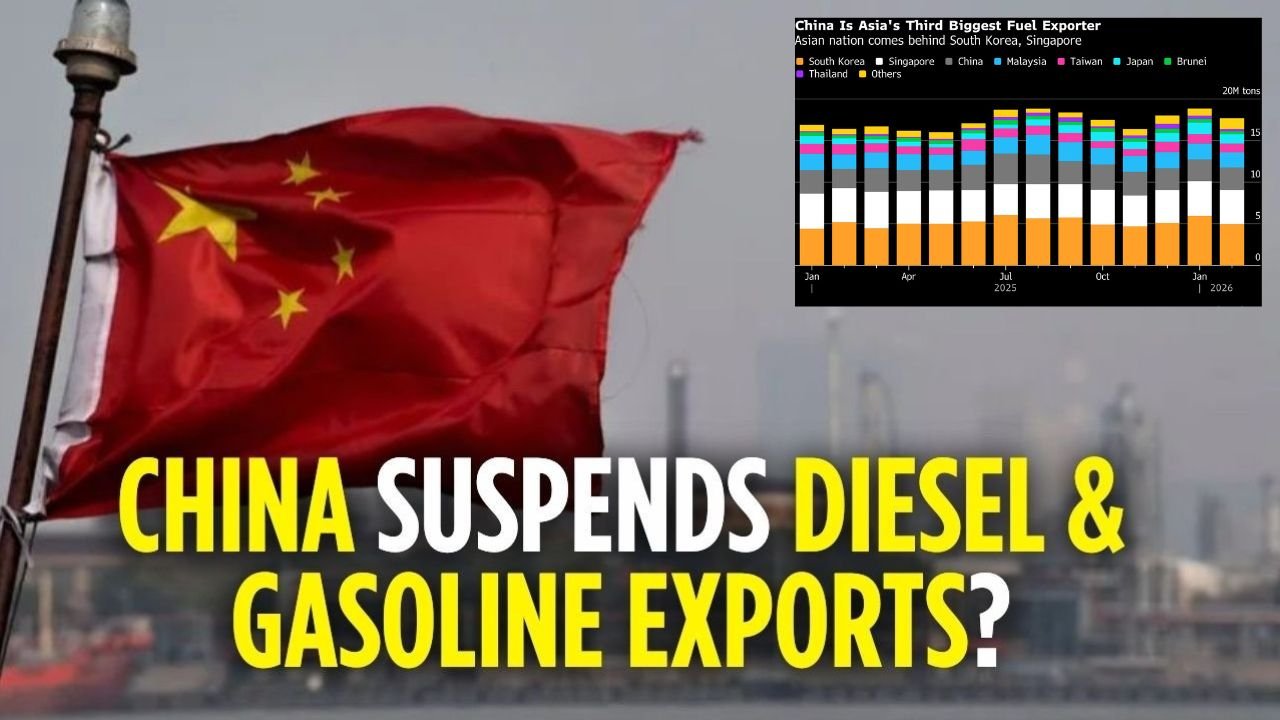
China has taken an unexpected step to protect its domestic energy supply. Authorities have reportedly instructed major oil refiners to temporarily halt exports of diesel and gasoline as tensions in the Persian Gulf threaten crude oil shipments.
The move reflects growing concern across Asia that disruptions in the Middle East could destabilize global energy supplies. With the region accounting for a large share of the world’s oil production, even short interruptions can ripple through international markets.
Officials from National Development and Reform Commission reportedly directed leading refiners to suspend new export contracts and renegotiate some existing deals.
Why China Is Restricting Fuel Exports
China imports a significant portion of its crude oil from the Persian Gulf. When tensions rise in the region, Chinese policymakers often prioritize domestic energy security.
The latest restrictions appear to be part of a broader strategy to ensure stable fuel supplies for China’s massive domestic economy.
Key reasons behind the decision
- Disruptions in oil shipments from the Persian Gulf
- Rising geopolitical tensions affecting global energy markets
- The need to secure domestic fuel availability
- Market volatility following recent military conflict in the region
By limiting exports, China can preserve supplies for transportation, industry, and power generation.
China’s Biggest Refiners Affected
The directive applies to some of China’s largest state-owned and private refining companies.
Major companies involved include:
- PetroChina
- Sinopec
- CNOOC
- Sinochem Group
- Zhejiang Petrochemical
These refiners typically receive government-issued quotas allowing them to export refined petroleum products.
Under the current directive, companies were reportedly told to stop signing new export deals immediately.
Exceptions to the Export Ban
Despite the suspension, some fuel exports may still continue under limited conditions.
Export exceptions include
- Jet fuel stored in bonded facilities
- Marine bunker fuel supplies
- Deliveries to Hong Kong
- Deliveries to Macau
These exemptions help maintain regional transport and aviation operations.
China’s Fuel Export System Explained
Unlike some major oil producers, China does not allow unlimited exports of gasoline, diesel, or jet fuel.
Instead, it uses a government-controlled quota system.
How the quota system works
- The Ministry of Commerce allocates export quotas.
- Only selected refiners are allowed to export fuel.
- Quotas can be expanded or reduced depending on market conditions.
This system gives Beijing flexibility to quickly adjust fuel supplies during crises.
Global Energy Markets Are Already Feeling the Impact
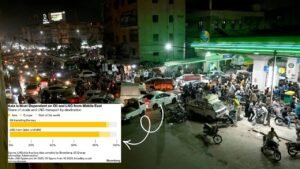
Energy markets have become increasingly volatile since tensions escalated in the Middle East.
The Persian Gulf normally supplies a significant share of the world’s crude oil.
When shipments slow or stop, refiners across Asia face supply shortages.
Several countries in the region are already responding.
Asian refiners adjusting operations
- Japan cutting refinery output
- India reconsidering fuel export plans
- Indonesia reducing refining run rates
China’s decision adds another layer of pressure on the global fuel market.
How China’s Energy Dependence Shapes Policy
Although China has diversified its energy sources in recent years, it still depends heavily on imports from the Middle East.
Nearly half of China’s crude oil imports come from the Gulf region, including shipments from Iran.
This reliance means geopolitical instability can quickly influence Beijing’s energy policies.
Comparison: Normal vs Crisis Fuel Policy
| Policy Area | Normal Conditions | Crisis Conditions |
|---|---|---|
| Fuel exports | Allowed through quotas | Often restricted |
| Domestic supply | Balanced with exports | Prioritized |
| Refinery operations | Export-oriented | Domestic-focused |
The current restrictions suggest China is entering a more defensive energy posture.
Key Takeaways
- China has asked major refiners to halt exports of diesel and gasoline.
- The decision is linked to supply disruptions from the Persian Gulf.
- Beijing aims to protect domestic fuel supplies during geopolitical tensions.
- Major Chinese oil companies are affected by the directive.
- Energy markets across Asia are reacting to the supply uncertainty.
FAQs
Why did China stop exporting diesel and gasoline?
China wants to ensure domestic fuel supplies as global oil shipments face disruption due to Middle East tensions.
Which companies are affected by the export halt?
Major refiners such as PetroChina, Sinopec, CNOOC, Sinochem, and Zhejiang Petrochemical.
Does China normally export fuel?
Yes, but exports are limited through a government-controlled quota system.
Are all fuel exports banned?
No. Jet fuel and marine bunker fuel in bonded storage, as well as supplies to Hong Kong and Macau, may continue.
How could this affect global energy prices?
Reduced exports from major refiners may tighten fuel supply and increase price volatility.
Conclusion
China’s decision to halt diesel and gasoline exports highlights how quickly global energy strategies can change during geopolitical crises.
With tensions in the Middle East threatening key oil routes, governments and refiners are shifting focus toward energy security.
If disruptions persist, policies like China’s export suspension could reshape fuel markets across Asia and beyond.